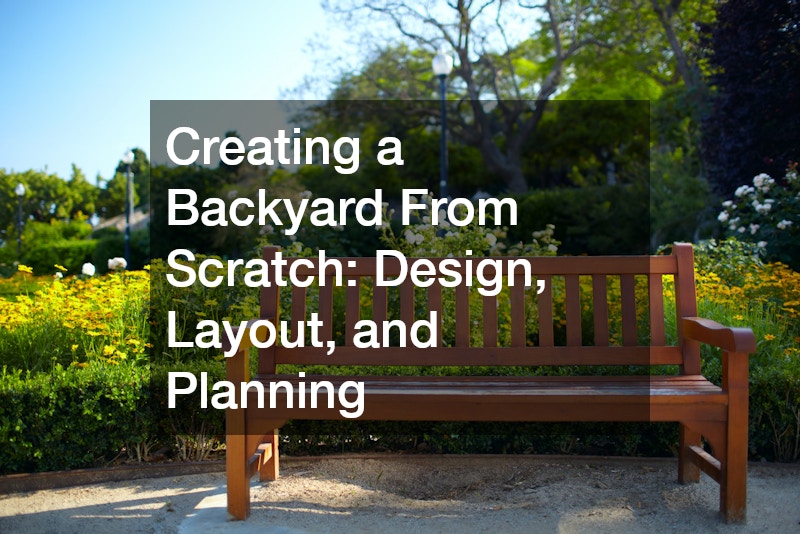
Designing an outdoor living space from the ground up is one of the most rewarding projects a homeowner can take on. When you begin creating a backyard from a blank canvas, every decision you make shapes how the space will function, feel, and evolve over time. From the placement of walkways to the way sunlight moves across your property, thoughtful planning ensures your investment delivers long-term enjoyment and practical value. A backyard built with intention supports relaxation, entertainment, and everyday living, all while increasing curb appeal and overall property equity.
The planning phase is where successful outdoor projects are won or lost. Instead of focusing only on visual elements, homeowners should consider drainage, soil conditions, access points, privacy, and how different areas will be used throughout the year. Whether your goal is to host gatherings, create a quiet retreat, or build a family-friendly environment, every choice should work together as part of a single, cohesive vision. As you continue creating a backyard, clarity around layout and function will help prevent costly redesigns later.
Equally important is understanding how professional services, materials, and maintenance all fit into the process. From structural features to living elements, each component should be selected with durability and local conditions in mind. By blending design, layout, and technical planning from the beginning, you give your backyard the best chance to thrive for decades to come.
Evaluating Land Conditions and Establishing a Strong Foundation
Before any design concepts are finalized, it is essential to assess the physical conditions of your property. Soil composition, slope, drainage patterns, and existing vegetation all play a major role in how well a new outdoor space will perform. Homeowners who skip this step often encounter issues such as pooling water, unstable ground, or erosion that undermine the long-term usability of the space. When creating a backyard, understanding these foundational elements allows you to plan for stability rather than reacting to problems later.
One of the most common challenges involves managing elevation changes and soil movement. In yards with sloped terrain or loose soil, structural reinforcement may be necessary to prevent shifting and runoff. This is where a local retaining wall contractor can provide valuable expertise, helping you determine whether engineered solutions are needed to support patios, garden beds, or walkways. These walls are not only functional but also add visual depth to a landscape when properly integrated into the overall design.
Beyond structural support, soil testing can reveal nutrient levels and compaction issues that affect plant health. Preparing the ground with proper grading and amendments ensures that lawns, shrubs, and trees will establish strong root systems. Taking the time to evaluate and prepare the land early gives every other part of your backyard project a better chance of success.
Mapping Out Zones for Function, Flow, and Visual Balance
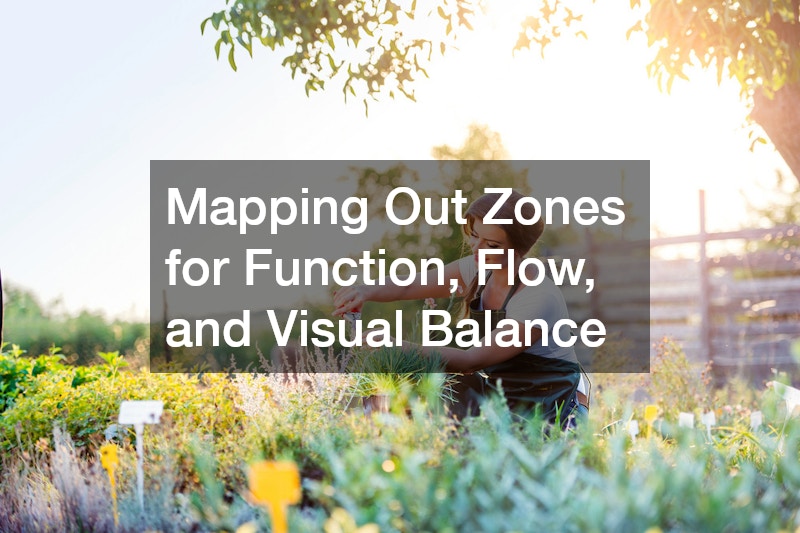
A well-designed backyard is divided into purposeful zones that serve different activities while maintaining a natural flow. These zones might include lounging areas, dining spaces, play areas, and garden sections, all connected through paths and visual lines. When creating a backyard, zoning prevents the space from feeling cluttered or disorganized, even when multiple features are included.
The key to successful zoning lies in how each area relates to the others. For example, seating areas should be positioned to take advantage of shade and views, while cooking or dining zones should remain accessible from the house. Walkways help guide movement and prevent foot traffic from damaging landscaped sections. Selecting durable residential landscaping material for paths, borders, and surfaces supports both aesthetics and longevity, ensuring high-use areas hold up over time.
Visual balance is just as important as physical layout. Mixing open areas with planted sections creates contrast and keeps the yard from feeling flat. Taller elements like trees or pergolas can anchor corners, while low-profile features keep sightlines open. By carefully mapping how people will move and interact with the space, your backyard becomes intuitive to use and pleasing to experience.
Designing Hardscapes That Add Structure and Durability
Hardscaping forms the backbone of any backyard, providing surfaces and structures that define how the space is used. Patios, walkways, and retaining features not only add functionality but also give visual weight and permanence to the design. When creating a backyard, these elements should be planned early so they integrate seamlessly with soft landscaping.
Material choice and installation quality are critical to the performance of hardscapes. Poorly installed surfaces can crack, shift, or drain improperly, leading to safety hazards and costly repairs. Working with reliable concrete delivery services ensures that foundations, footings, and flatwork are poured with consistent quality and strength, giving your outdoor features a stable base.
Proper drainage must also be built into every hardscape. Sloped surfaces, expansion joints, and sub-base preparation all work together to prevent water damage. When these details are handled correctly, patios and walkways remain level and attractive for years, even under heavy use and changing weather conditions.
Building Outdoor Living Spaces for Comfort and Use
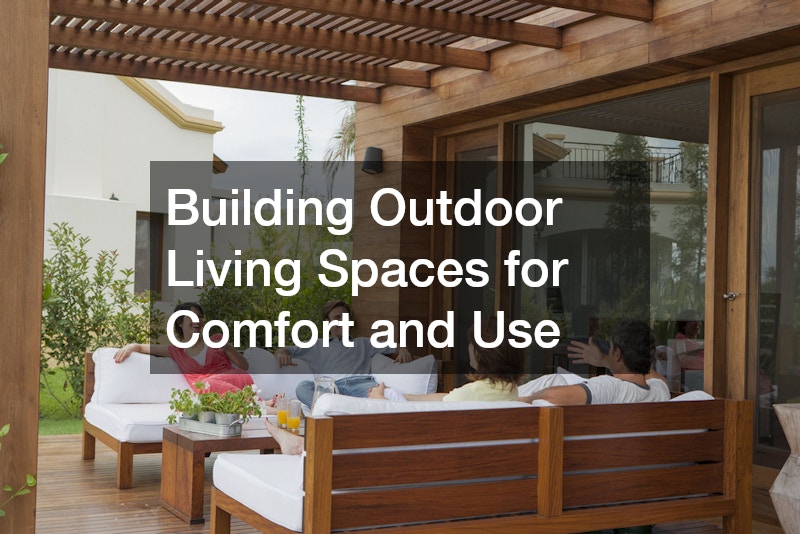
The true value of a backyard is how well it supports daily life. Outdoor living spaces such as patios, fire pit areas, and covered seating create places where people can gather, relax, and enjoy fresh air. While creating a backyard, these areas should be designed with comfort, accessibility, and durability in mind.
Patios often serve as the central hub of outdoor activity, connecting indoor and outdoor living. Their size and placement should reflect how the space will be used, whether for small family meals or larger social gatherings. Skilled concrete patio contractors can help ensure these surfaces are properly reinforced, finished, and aligned with surrounding features, allowing them to withstand weather and frequent use.
Comfort also comes from thoughtful details like shade structures, lighting, and proximity to landscaping that softens the environment. When living spaces are designed as an extension of the home, the backyard becomes a natural part of everyday routines rather than a separate area used only occasionally.
Planning for Plant Health and Environmental Balance
Plants bring life, color, and seasonal change to a backyard, but they also require careful planning to remain healthy. Soil conditions, sunlight exposure, and irrigation all influence how well trees, shrubs, and flowers will thrive. As part of creating a backyard, selecting species that match your climate and site conditions reduces maintenance and improves long-term success.
Pest management is another important consideration. Insects and invasive species can quickly damage plantings if left unchecked. Targeted bee extermination may be necessary in areas where nests pose safety risks, especially near high-traffic zones, but it should always be handled with environmental responsibility in mind.
Healthy landscapes rely on balance rather than constant intervention. Proper spacing, airflow, and soil health reduce the likelihood of disease and infestations, allowing plants to grow strong without excessive chemical treatments. When plants are chosen and maintained correctly, they enhance both the beauty and sustainability of your backyard.

Incorporating Safety, Cleanliness, and Ongoing Care
A backyard should be a safe and comfortable place for everyone who uses it. Beyond design and aesthetics, ongoing maintenance plays a major role in keeping the space functional. During creating a backyard, it is wise to plan for how the area will be cleaned, protected, and monitored over time.
Wildlife and pests are a common concern, especially in residential areas. Professional rodent control services can help prevent damage to gardens, structures, and underground systems, keeping the environment sanitary and secure. These preventative measures are far easier and less costly than addressing infestations after they take hold. Proper waste management, secure storage of outdoor food, and sealing small entry points around structures further reduce the likelihood of unwanted animal activity.
Safety also involves clear pathways, stable surfaces, and proper lighting. When these elements are integrated into the original design, they require less modification later. Well-placed lighting improves nighttime visibility, while slip-resistant surfaces and defined walkways reduce the risk of trips and falls. A backyard that is easy to maintain and navigate remains enjoyable for years without becoming a burden to manage.
Maintaining Trees and Protecting the Landscape
Trees provide shade, privacy, and natural beauty, but they also require thoughtful care. Poorly maintained trees can become hazards, dropping limbs or interfering with structures. As you continue creating a backyard, it is important to include a long-term plan for tree health and management that accounts for seasonal changes, soil conditions, and future growth patterns.
Routine maintenance such as pruning, fertilization, and disease prevention helps trees stay strong and attractive. A professional tree spraying service can protect against pests and fungal infections that weaken branches and leaves, preserving the overall integrity of the landscape. Regular inspections also allow early detection of stress, rot, or infestations before they cause irreversible damage or spread to surrounding plants.
Healthy trees contribute to temperature control, reduce erosion, and enhance visual appeal. Their canopies provide cooling shade in warm months, while strong root systems help stabilize soil and prevent runoff. When they are properly cared for, they become lasting assets rather than sources of risk or expense, adding structure and maturity to your outdoor environment for many years to come.

Adding Privacy, Security, and Visual Definition
Defining the boundaries of your backyard helps create a sense of enclosure and privacy that makes the space feel complete. Fences, hedges, and screens also improve security and reduce noise from surrounding areas. During creating a backyard, these features should align with both functional needs and design goals so the space feels intentional rather than closed off.
High-quality custom fencing installation allows homeowners to choose materials and styles that complement the home while meeting local codes and personal preferences. Whether you prefer wood, vinyl, or metal, a well-built fence adds structure and visual clarity to the landscape. Fencing can also be used creatively, such as framing garden beds, highlighting entry points, or supporting climbing plants that soften hard lines and add natural texture.
Beyond privacy, boundaries help organize the yard into distinct areas, making it easier to maintain and use. Strategic placement of fencing and screening can separate entertaining spaces from quiet relaxation zones or protect children and pets by defining safe play areas. When fencing and screening are integrated into the overall plan, they enhance rather than interrupt the flow of the space, reinforcing a balanced layout that supports both comfort and visual harmony across the entire backyard.
Managing Large Vegetation and Long-Term Growth
Over time, trees and large shrubs can outgrow their original placement, affecting sunlight, drainage, and safety. Planning for these changes is an important part of responsible landscape design. Even the most carefully planned backyard may eventually require tree removal services to address aging, damaged, or poorly positioned trees.
Removing large vegetation is not simply about cutting down a tree. It involves protecting surrounding structures, managing debris, and restoring the soil afterward. When handled correctly, removal opens up opportunities for new plantings, better light exposure, and improved airflow throughout the yard. This process also reduces the risk of falling limbs, root damage to hardscapes, and overcrowding that can limit the health of nearby plants. Clearing overgrown trees allows landscaping features such as patios, garden beds, and walkways to perform as intended without interference from expanding root systems or heavy shade.
Proactive management of large plants ensures that your backyard remains balanced and functional as it matures, rather than becoming overcrowded or unsafe. By periodically evaluating tree health and growth patterns, homeowners can make informed decisions about trimming, relocating, or removing vegetation before problems arise. This approach supports long-term soil stability, protects drainage systems, and helps maintain a visually appealing outdoor environment that continues to support new growth and evolving design goals.
Adapting the Backyard as Your Needs Change
A backyard is never truly finished. As families grow, interests shift, and properties age, outdoor spaces must adapt. Whether that means adding new features, rearranging plantings, or performing selective tree removal, flexibility should be built into the original design.
Modular layouts, accessible pathways, and adaptable planting zones make it easier to update the space without starting from scratch. By anticipating future needs during the planning phase, homeowners can avoid major overhauls and continue enjoying their investment with minimal disruption.
When a backyard is designed to evolve, it remains relevant and valuable for decades, reflecting both the changing landscape and the people who use it.