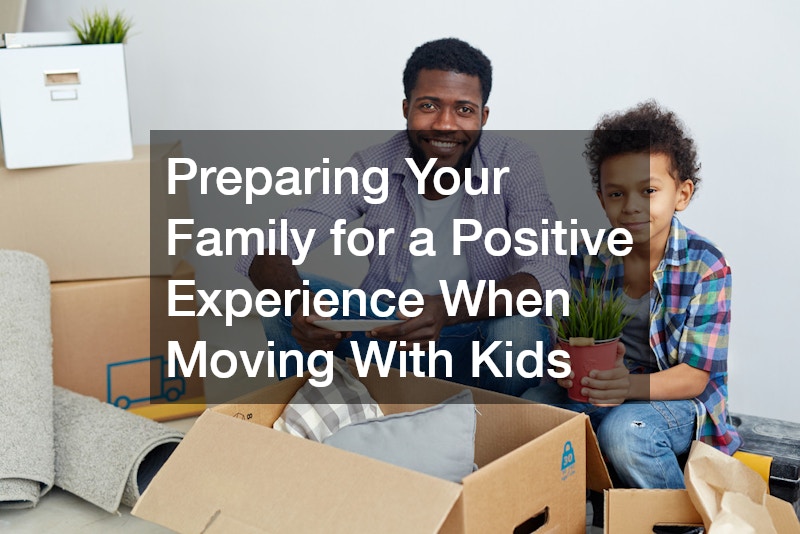
Relocating as a family is one of the most significant transitions a household can experience. Beyond packing boxes and coordinating schedules, a move reshapes daily life, emotional rhythms, and long-standing routines. For children, these changes can feel especially intense. Familiar spaces disappear, friendships shift, and the sense of predictability that supports emotional security may temporarily fade. How families prepare for these changes has a lasting impact on how children interpret and adjust to the experience.
A positive move begins long before the moving date itself. Preparation involves emotional readiness, practical organization, and a commitment to steady communication. Children often take cues from their parents, so a calm, structured approach helps signal that while change is happening, stability remains intact. When kids feel informed and included, uncertainty gives way to curiosity and confidence.
Every child responds differently to relocation. Some may express excitement about new surroundings, while others may resist change or worry about what they are leaving behind. Neither reaction is negative. What matters is creating an environment where emotions are acknowledged and addressed thoughtfully. With the right planning, moving with kids can become a formative experience that strengthens resilience, reinforces family bonds, and lays the groundwork for healthy adaptation.
Helping Children Understand the Transition Ahead
Clarity is one of the most powerful tools parents have when preparing children for a move. Uncertainty often fuels anxiety, so explaining what is happening and why helps reduce fear. Conversations should be tailored to each child’s developmental stage, offering enough information to answer questions without overwhelming them.
Younger children may benefit from simple explanations and visual aids, such as pictures of the new home or neighborhood. Older kids often want more detail, including timelines, school information, and how daily routines may change. Keeping communication ongoing rather than limited to a single discussion allows children to process information gradually.
Encouraging questions is equally important. Children may worry about losing friends, changing schools, or adapting to unfamiliar environments. Addressing these concerns honestly—without dismissing them—builds trust and emotional safety. Parents do not need to have every answer immediately, but acknowledging uncertainty while expressing confidence in the family’s ability to adapt reinforces reassurance. When children understand what to expect, moving with kids becomes less intimidating. Knowledge replaces imagination, and preparation replaces fear.
Preserving Emotional Stability During a Time of Change
Emotional consistency provides children with a sense of security, especially during periods of transition. While a move may disrupt physical surroundings, maintaining familiar emotional patterns helps children feel grounded. Simple routines—such as bedtime rituals, family meals, or weekend activities—anchor kids amid shifting circumstances.
Parents should also remain attentive to emotional cues. Changes in sleep, appetite, or behavior may signal stress even if a child does not verbalize concern. Responding with patience and empathy helps children regulate their emotions and reinforces the message that their feelings are valid. Creating moments of normalcy during busy moving periods matters more than perfection. Even small gestures, like reading a favorite book or taking a short walk together, provide emotional reassurance. These moments remind children that while the environment is changing, family connection remains constant.
Approaching the transition with emotional awareness transforms moving with kids into an experience rooted in care rather than disruption.
Organizing the Move Without Creating Chaos
The logistical demands of relocating can easily spill into family life if not carefully managed, especially when timelines tighten and routines begin to shift. Organization is essential, but pacing is just as important. Breaking the move into stages—planning, packing, transport, and settling in—creates a sense of progression rather than urgency. This structured approach helps parents stay focused while preventing the household from feeling like it is in a constant state of disruption.
Clear expectations play a critical role in helping children feel prepared rather than unsettled. Letting them know when certain items will be packed, when rooms may look different, or when routines may temporarily shift helps avoid confusion and frustration. Transparency reduces anxiety and reinforces a sense of respect, allowing kids to feel included in the process rather than sidelined by it.
Practical comfort also plays a meaningful role in maintaining emotional balance. Ensuring that familiar items travel with the family—such as favorite bedding or a bed cover—can help children sleep more comfortably during the first nights in a new space. These familiar objects provide sensory continuity and emotional reassurance at a time when surroundings feel unfamiliar and unpredictable.
When an organization prioritizes comfort and communication instead of speed alone, moving with kids feels manageable rather than chaotic, allowing families to transition with greater calm and confidence.
Choosing Support That Aligns With Family Priorities
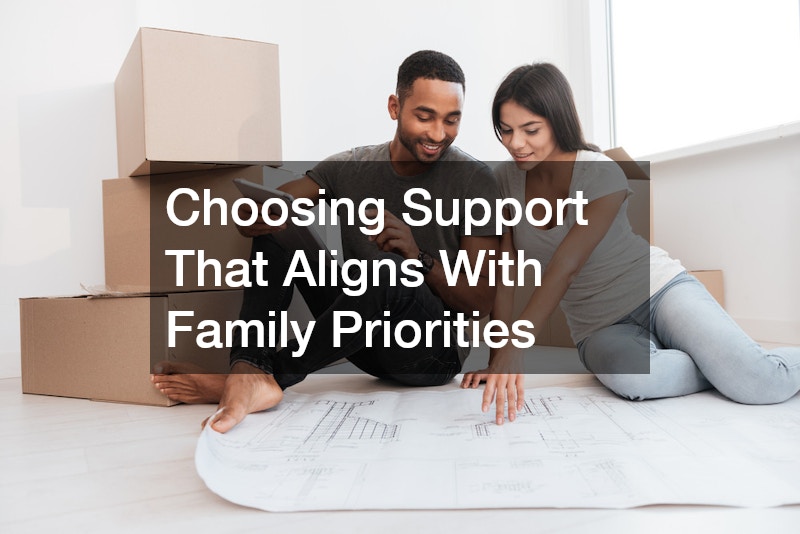
Deciding how much external support to use during a move is a personal choice, but the right assistance can significantly reduce stress across the entire household. Parents balancing work, school schedules, and emotional support often benefit from delegating physical and logistical demands where possible. When responsibilities are shared strategically, families are better positioned to maintain routines and provide reassurance to children throughout the transition.
Families often find that working with local moving companies offers flexibility and familiarity that supports child-focused planning. Local providers may better understand neighborhood logistics, timing considerations, parking limitations, and regional factors that affect family moves. This localized knowledge can help prevent delays or complications that might otherwise create unnecessary tension during already busy days.
Broader moving services can further streamline the process by handling packing, transport, or storage needs. Delegating physically demanding or time-consuming tasks allows parents to conserve energy and attention for their children rather than becoming consumed by logistics. This balance is especially valuable during the final days before a move, when children may need extra reassurance and consistency.
Some households require specialized coordination for valuable or delicate belongings, which may involve a high value specialized delivery service. Knowing that important items are handled carefully reduces anxiety and prevents last-minute complications that can disrupt family routines or delay settling in. This level of planning supports smoother transitions and minimizes avoidable stress points.
Thoughtfully chosen support systems allow parents to remain present and emotionally available, reinforcing stability while moving with kids and helping the entire family navigate change with greater confidence and calm.
Preparing for Educational Transitions With Confidence
School changes often represent the most significant adjustment for children during a move. Educational environments influence daily structure, social connections, and self-esteem, making proactive planning essential for a smooth transition. Shifts in academic expectations, classroom dynamics, and peer groups can feel overwhelming if they happen too abruptly. Researching options early and discussing them openly helps children feel prepared rather than surprised, giving them time to mentally and emotionally adjust to what lies ahead.
Families relocating with young children may explore options such as identifying the best private preschool or evaluating early education programs that align with learning philosophies and family values. These early decisions shape how children experience structure, independence, and social development during a period of change. Introducing these options in conversation allows children to feel included and reassured, reinforcing that their comfort and growth are part of the decision-making process rather than an afterthought.
For families relocating internationally or to diverse academic regions, researching international schools may become part of the planning process. These environments often offer continuity for globally mobile families and can ease cultural transitions by providing familiar curricula, language support, and diverse peer communities. Understanding how these schools operate helps families set realistic expectations and reduce uncertainty before enrollment begins.
Older students face additional considerations, particularly when transitioning into new academic environments like the best private high schools. Academic rigor, extracurricular opportunities, and social integration can all feel high-stakes during adolescence. Addressing concerns about expectations, workloads, and peer relationships through open dialogue helps teens approach change with confidence rather than apprehension, reinforcing self-assurance during a pivotal developmental stage.

Protecting Health and Wellness Throughout the Move
Health routines often shift during relocation, making planning essential for maintaining stability during a period of change. Children rely heavily on consistency for both physical and emotional well-being, and even small disruptions can feel amplified when paired with an unfamiliar environment. Maintaining access to care helps preserve a sense of normalcy and reassures children that their needs remain a priority despite the transition. Scheduling appointments before or shortly after the move prevents lapses in routine care and reduces the stress of scrambling to find support once the family has already arrived.
Identifying providers such as a pediatric dentist or connecting with new pediatric professionals early helps children feel secure knowing their health needs are supported in their new location. Talking through what these visits may look like, sharing photos of the offices, or explaining how care will remain consistent can ease anxiety before the first appointment. These small steps help children approach unfamiliar experiences with greater confidence and less apprehension.
Emotional wellness deserves equal attention alongside physical health. Moves may temporarily disrupt sleep patterns, eating habits, or emotional regulation, particularly for younger children who rely on predictability. Responding with patience, reinforcing familiar routines, and allowing extra time for rest and adjustment help children regain balance more quickly. When families treat health planning as an ongoing priority rather than a checklist item, the transition becomes more supportive, calmer, and better aligned with long-term well-being.
Encouraging Social Adjustment at a Healthy Pace
Social belonging plays a major role in how children perceive their new environment. Friendships provide identity, comfort, and emotional support, making social adjustment a critical part of the transition. Parents can help by encouraging gradual engagement rather than immediate immersion.
Exploring the community together—parks, libraries, recreational programs—gives children opportunities to observe and participate without pressure. Activities aligned with existing interests create natural pathways to connection and reduce social anxiety.
Maintaining contact with previous friends also supports emotional continuity. Allowing children to stay connected reassures them that relationships do not disappear with distance. This continuity builds emotional security while new connections form.
By modeling openness and patience, parents help children approach social change with confidence. Moving with kids becomes an opportunity to expand social circles rather than lose them.

Establishing Safety and Comfort in a New Environment
Once the move is complete, children begin the process of making sense of their new surroundings in both visible and subtle ways. Establishing a sense of safety is foundational to emotional adjustment, particularly after weeks of disruption and anticipation. Walking through the home together, pointing out important spaces, and explaining how daily routines will function helps children orient themselves more quickly. Familiarizing them with the neighborhood, house layout, and nearby landmarks reduces uncertainty and replaces fear of the unknown with practical understanding.
Parents should also prepare for unexpected situations by identifying essential resources in advance. Knowing where to access urgent veterinary care for family pets provides peace of mind and ensures readiness during emergencies, which is especially important during the early weeks of adjustment. This preparation helps children feel secure knowing their entire household—including pets—is protected and supported, even in unfamiliar circumstances.
Encouraging children to personalize their space further reinforces comfort and emotional grounding. Allowing them to arrange rooms, decorate walls, choose organizational layouts, or unpack favorite items first fosters ownership and autonomy. These small decisions help children reclaim a sense of control after a period of transition.
When safety, preparedness, and familiarity are prioritized, moving with kids shifts from a temporary disruption into a stable foundation for long-term comfort, confidence, and emotional security.
Creating a Lasting Sense of Home and Belonging
True adjustment continues long after boxes are unpacked. Establishing routines, traditions, and shared experiences helps children internalize the new environment as home. Family meals, weekend rituals, and small celebrations create positive associations that reinforce belonging.
Reflection also matters. Talking openly about what the family has learned, acknowledging challenges, and celebrating adaptability reinforces resilience. Children gain confidence when they recognize their ability to navigate change successfully.
Continued engagement with local communities, schools, and activities strengthens integration over time. As children build new memories and relationships, the move becomes part of their story rather than a disruption.
With thoughtful preparation, emotional awareness, and steady support, moving with kids becomes a meaningful family experience—one that fosters growth, adaptability, and lasting connection.