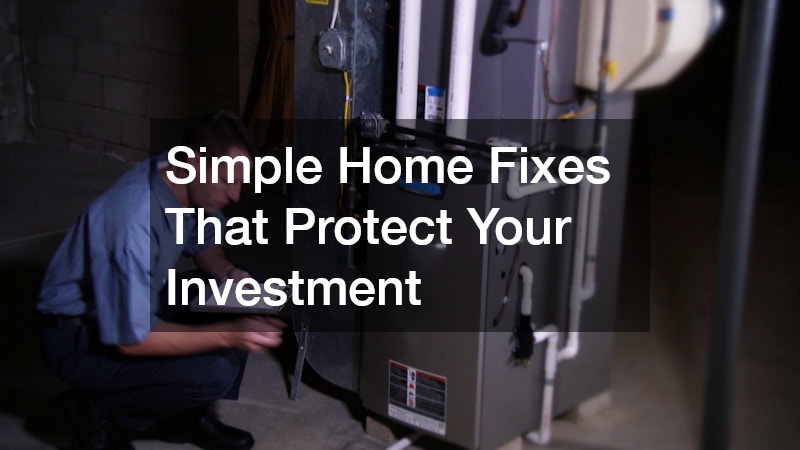
Owning a home is often the single largest investment most people will ever make. Yet it’s surprisingly easy to treat that investment passively—assuming that if nothing is visibly broken, everything must be fine. The truth is that small, almost invisible issues tend to compound over time. A minor leak becomes structural damage. A dusty vent becomes a strained system. A neglected exterior detail quietly shortens the life of something expensive.
Protecting your home doesn’t always require a massive renovation budget. In many cases, it’s the simple, consistent fixes that prevent five-figure disasters. The key is knowing where to look, what to monitor, and when to step in before something fails.
Homes age in subtle ways. Materials expand and contract. Seals dry out. Mechanical systems accumulate dust and wear. None of this is dramatic, but it’s steady. When you adopt a proactive mindset, you interrupt that steady decline and replace it with steady preservation.
Below is a practical guide to protecting your home’s value with targeted, manageable actions you can take throughout the year.
Improve Airflow to Prevent System Strain and Interior Damage
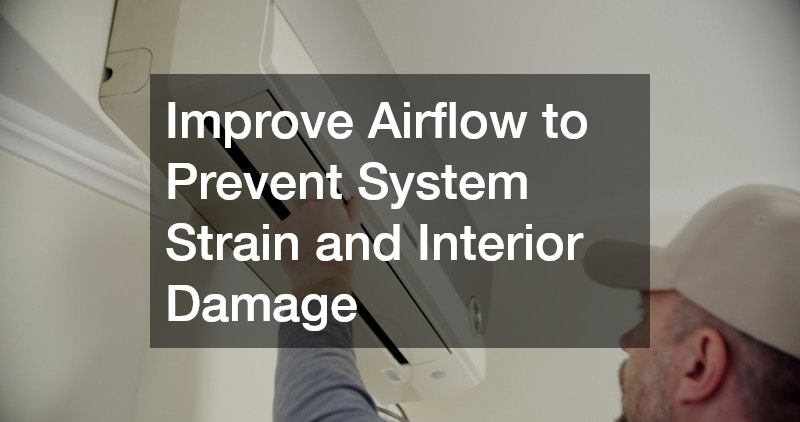
Walk through your home right now and pay attention to the air. Is one room warmer than the rest? Does another feel stale? Uneven airflow is often dismissed as a minor comfort issue, but it can signal strain within your system.
Start with what you can see.
Check your vents and registers. Make sure furniture, rugs, or curtains aren’t blocking airflow. It’s common to place a sofa over a floor vent or push a bed against a wall register without thinking about circulation. Even partial blockage forces your system to work harder. Over time, that extra strain reduces efficiency and can shorten equipment lifespan.
Next, inspect your air filters. Most households should replace them every one to three months. If you have pets or allergies, monthly replacement is often best. A clogged filter restricts airflow, increases energy consumption, and allows dust to circulate through your home’s interior finishes.
If dust buildup seems excessive or airflow issues persist, it may be time to consider air duct cleaning. Over the years, ducts can accumulate debris that reduces efficiency and circulates allergens. While not something you need annually, addressing heavy buildup can restore performance and indoor air quality—especially in older homes.
Finally, don’t wait until a breakdown to consult an HVAC company. A preventive inspection once a year can identify worn components, loose connections, or inefficiencies before they escalate. Think of it as a routine physical for your home’s lungs. Small airflow improvements now prevent costly replacements later.
Prevent Water Damage Before It Starts
Water damage rarely announces itself dramatically. It usually begins quietly: a slow drip under a sink, a faint rust line on a tank, a slight drop in water pressure.
Make it a habit to perform a monthly visual sweep of high-risk areas:
- Under kitchen and bathroom sinks
- Around toilet bases
- Behind washing machines
- Near your hot water tank
You’re looking for moisture, corrosion, swelling wood, or soft cabinet bases. Catching a small leak early can save thousands in flooring and subfloor repairs.
Your water heater deserves particular attention. Sediment buildup inside the tank reduces efficiency and increases internal pressure. Flushing it annually helps maintain performance and extends its lifespan. If you notice popping sounds, rusty water, fluctuating water temperature, or minor pooling near the base, don’t ignore them.
When in doubt, call a licensed plumber. Many homeowners wait too long because a drip seems manageable. But professional evaluation is far less expensive than repairing mold damage, drywall replacement, or structural rot.
Also, check the temperature setting on your tank. Around 120 degrees Fahrenheit is typically safe and efficient. Higher settings increase energy use, raise scalding risk, and accelerate internal wear.
Water problems are rarely about one fixture. They’re about systems. Staying observant keeps those systems stable.
Keep Heating Systems Reliable Through the Cold Months
Heating issues tend to surface at the worst possible time—during the first real cold snap of the year. Preventive care changes that story.
Before winter arrives, spend a quiet afternoon checking your heating setup.
Listen closely when it cycles on. Are there rattling or banging sounds? Do you notice short bursts instead of steady operation? These can be early signs that furnace repair may soon be necessary. Addressing them early typically involves minor adjustments rather than major component replacement.
Clear the area around your unit. Heating systems need space to breathe safely. Stored boxes, paint cans, or cleaning supplies near equipment can pose fire hazards and restrict airflow. Even improving ventilation around the unit helps maintain consistent operation.
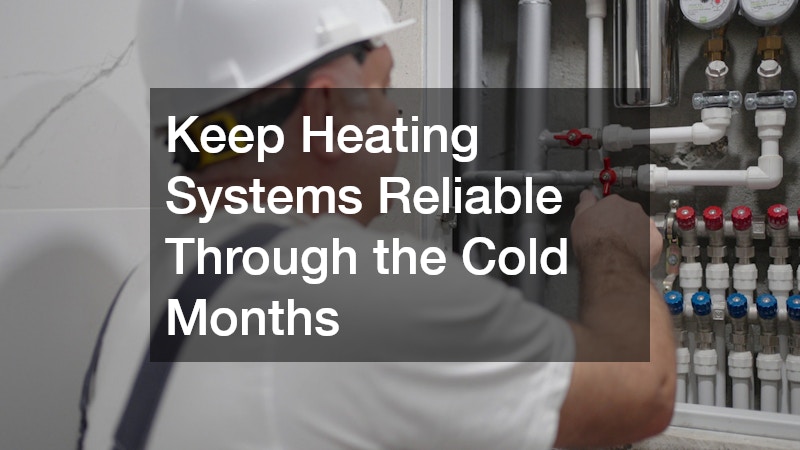
If your home relies on hydronic heat, routine boiler maintenance is critical. Over time, pressure valves, expansion tanks, and internal components can degrade. Annual servicing ensures your system operates safely and efficiently through the coldest months. Neglected boilers tend to lose efficiency gradually, which increases energy costs long before failure occurs.
Think of heating care as insurance against winter stress. Addressing minor concerns early keeps you from scrambling during a freeze when service calls are harder to schedule and more expensive.
Maximize Cooling Efficiency During Warmer Months
Cooling systems work hardest during peak summer heat, which means preparation in spring pays off significantly.
Start outdoors. Inspect the external unit and clear at least two feet of space around it. Trim back shrubs, remove leaves, and gently rinse off visible debris with a hose. Dirt accumulation traps heat and forces the system to work overtime, often without you realizing it.
Inside the home, focus on sealing gaps. Check windows and doors for drafts. Adding weatherstripping or re-caulking edges is inexpensive and dramatically reduces energy loss. Small cracks around frames can allow significant temperature exchange.
If your air conditioning system struggles to maintain temperature or your energy bills spike unexpectedly, don’t assume that’s just summer reality. Performance drops often indicate calibration or component issues. A seasonal inspection by a reputable HVAC company can restore efficiency and prevent premature wear.
Simple habits—like using ceiling fans strategically and keeping blinds closed during peak sunlight hours—also reduce strain. A properly tuned cooling system doesn’t just keep you comfortable. It reduces operational stress, extends equipment life, and protects your home’s long-term value.
Protect Your Roofline and Foundation From Moisture

Some of the most destructive damage happens outside your field of vision. Water pooling near the foundation or overflowing from clogged gutters quietly compromises structural integrity.
Begin at the roofline. Clean your gutters at least twice a year—more if you live near trees. Overflowing gutters send water cascading down siding and collecting around your foundation. Installing gutter guards can reduce debris accumulation and make maintenance more manageable over time.
Next, examine your yard. Proper lawn care isn’t just about aesthetics; it influences drainage. Ensure soil slopes gently away from your foundation. If water pools after heavy rain, you may need to regrade certain areas or extend downspouts farther from the house.
After storms, inspect basement walls for damp spots or faint discoloration. Early moisture detection allows for targeted corrections before cracks widen or mold develops.
A healthy roofline and yard system act as your home’s shield. Maintaining them is one of the smartest long-term moves you can make.
Secure Entry Points and Structural Components
Your garage door is often the largest moving component in your home, yet it’s frequently ignored until it fails.
Test the balance by disconnecting the opener and lifting the door halfway manually. It should stay in place. If it falls or feels unusually heavy, the springs may be wearing out.
Clean and align the safety sensors near the base of the tracks. Dust or slight misalignment can prevent proper operation. Lubricate rollers and hinges with a silicone-based product to reduce friction and extend lifespan.
Pay attention to warning signs:
- Jerky or uneven movement
- Loud grinding noises
- Delayed response to the remote
Addressing these issues early can prevent the need for emergency garage door repair later. When a door fails completely, it compromises security, energy efficiency, and daily convenience.
Routine attention here protects both safety and structural integrity.
Reduce Utility Waste Through Simple Sealing Fixes
Many homeowners are surprised to learn how much conditioned air escapes through small gaps and leaks.
If you have accessible ductwork in an attic or basement, inspect visible seams. Over time, joints can separate slightly. Sealing minor leaks with appropriate foil tape improves efficiency and reduces strain. In homes with older systems, periodic air duct cleaning may also improve circulation and indoor air quality.
Insulation plays an equally important role. Check attic insulation depth and condition. If it appears thin or uneven, adding material can significantly reduce heating and cooling demands.
Thermostat programming is another overlooked opportunity. Setting realistic temperatures for occupied and unoccupied hours prevents unnecessary cycling. Overworking your air conditioning system doesn’t just waste energy—it accelerates wear and increases the likelihood of mid-season breakdowns.
These fixes may seem small, but collectively they produce measurable savings.
Avoid Sudden Plumbing and Heating Emergencies
Emergencies feel sudden, but most offer subtle warnings first.
Do you know where your main water shut-off valve is located? If a pipe bursts, seconds matter. Locate it now and test that it turns smoothly. The same goes for individual fixture shut-offs under sinks and behind toilets.
Install simple leak detectors in high-risk areas, such as near your washing machine or hot water tank. These inexpensive devices provide early alerts that prevent widespread damage.
Heating systems also whisper before they fail. Uneven warmth, unusual smells, or inconsistent cycling often precede significant furnace repair needs. Calling a professional at the first sign of trouble is almost always cheaper than waiting for a full breakdown.
Similarly, if you notice pressure inconsistencies or unexplained moisture near pipes, consult a plumber promptly. Fast action prevents escalating structural or mold issues.
Prepared homeowners experience fewer true emergencies. Awareness transforms a crisis into manageable maintenance.
Create a Seasonal Maintenance Calendar You Will Actually Follow

Maintenance only protects your investment if you consistently perform it. The solution isn’t complexity; it’s organization.
Instead of overwhelming yourself with a massive checklist, divide tasks into simple seasonal themes.
Spring might include exterior inspection, lawn care adjustments for drainage, and checking foundation grading.
Summer can focus on cooling performance checks and sealing improvements.
Fall is ideal for gutter cleaning, installing gutter guards if needed, and scheduling boiler maintenance before temperatures drop.
Winter becomes a time to monitor interior systems, check for drafts, and inspect insulation.
Pair indoor and outdoor tasks together so one activity triggers another. For example, when mowing regularly, take five extra minutes to observe downspouts and foundation edges.
Keep a simple log of completed tasks and service visits. Documentation demonstrates responsible ownership and strengthens resale value. Prospective buyers appreciate a well-documented maintenance history because it signals that the property has been cared for, not neglected.
Consistency—not perfection—is what protects your home long term.
Protecting Your Home for the Long Term
Your home doesn’t require constant renovation to maintain its worth. What it needs is attention. Small inspections, timely servicing, and modest upgrades compound into meaningful protection over time.
When you replace a filter on schedule, seal a draft, clear a gutter, or respond quickly to a leak, you’re doing more than maintaining comfort. You’re preserving structural integrity, extending system life, and safeguarding financial value.
It’s also worth remembering that deferred maintenance almost always costs more than planned maintenance. A $20 seal today can prevent a $2,000 repair next year. A one-hour inspection can uncover a weakness before it turns into a full replacement. Financially, this approach creates predictability. Emotionally, it reduces stress because you’re not constantly reacting to surprises.
There’s also a lifestyle benefit. A well-maintained home feels different. Doors close properly. Rooms stay consistently comfortable. Systems run quietly in the background without demanding attention. That stability creates peace of mind, and peace of mind has value.
The most expensive home problems rarely happen overnight. They grow quietly in the background of daily life. By taking a proactive approach, you interrupt that growth before it becomes costly.
Start with one area this week. Walk your exterior. Check under the sink. Listen to your system run. These simple actions build momentum and create a habit of stewardship.
Your home is more than a place to live. It’s an investment worth protecting—one small fix at a time.