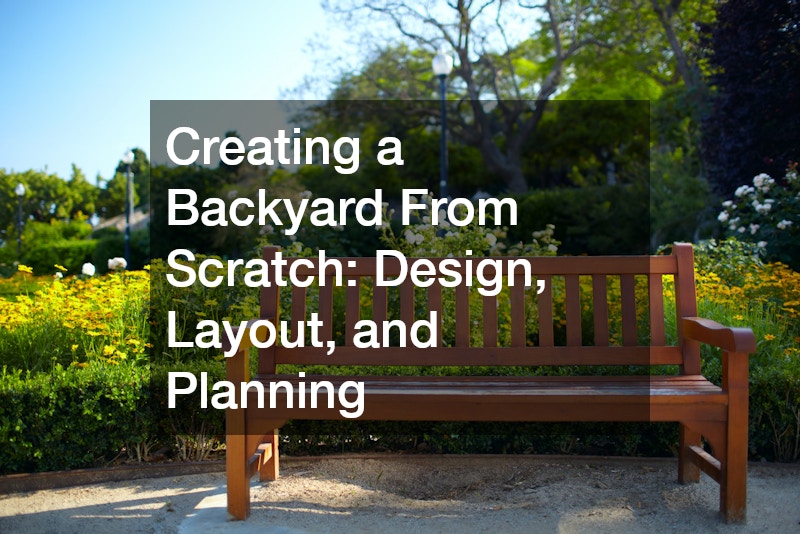
Transforming your home is about more than updating a single room or tackling one project at a time. Today’s homeowners are looking for cohesive, well-planned upgrades that improve both how a home looks and how it functions. Whether your goal is to increase property value, enhance daily living, or modernize outdated features, the most successful transformations come from a comprehensive approach. This means evaluating your home as a whole rather than focusing on isolated improvements. It also allows you to prioritize upgrades that deliver the greatest impact both visually and functionally. When everything is considered together, the final result feels more intentional and refined.
Too often, projects are completed in isolation. A kitchen gets remodeled, but it doesn’t match the rest of the home. Outdoor upgrades feel disconnected from interior design. Systems are upgraded without considering how they impact long-term maintenance. The result is a home that feels pieced together instead of thoughtfully designed. This lack of cohesion can also lead to inefficiencies and unnecessary expenses over time. Without a clear plan, homeowners often end up redoing work that could have been done the first time correctly. A more strategic approach helps avoid these common pitfalls.
A complete property transformation takes planning, coordination, and the right team. It requires aligning design, construction, and long-term maintenance from the very beginning. Each phase should build on the last to create a seamless and functional outcome. With the right approach, your home can become a space that not only looks better but also works better for your everyday life.
Start With a Clear Vision and Whole-Property Plan
Every successful transformation begins with a clear vision. Before hiring contractors or purchasing materials, take the time to understand how you want your home to function as a whole. Think about how each space will be used on a daily basis, not just how it will look. Consider both your current needs and how they may evolve over time. This broader perspective helps ensure your decisions support long-term comfort and practicality. When your vision is clear, every step that follows becomes more intentional and aligned.
Define Your Goals
Start by identifying what matters most:
- Are you focused on resale value or long-term living?
- Do you need more space, better flow, or updated aesthetics?
- Are there problem areas that need immediate attention?
Having clear priorities helps guide every decision that follows.
Think Beyond Individual Rooms
Instead of designing each space separately, consider how everything connects:
- How does your kitchen flow into your living area?
- Do your indoor and outdoor spaces feel cohesive?
- Are materials and colors consistent throughout the home?
Working with interior design contractors can help ensure your choices feel unified rather than fragmented.
Create a Phased Plan
Not every project needs to happen at once. Break your transformation into phases:
- Structural upgrades
- Interior updates
- Exterior improvements
A local home renovation company can help you organize these phases in a way that minimizes disruption and maximizes efficiency.
Build a Realistic Budget
Factor in:
- Labor and materials
- Permits and inspections
- Unexpected costs
Planning your budget upfront prevents delays and helps you make smarter decisions along the way.
Assemble the Right Team Before You Begin
The professionals you hire will determine the success of your project. Choosing the right team early on ensures smoother execution and better results. Their experience and attention to detail can make the difference between a seamless process and a stressful one. A strong team will also help identify potential challenges before they become costly problems. They bring valuable insight that can improve both the design and functionality of your space. Investing time in selecting the right people upfront sets the tone for the entire project.
Understand Who You Need
Different aspects of your project require different expertise:
- kitchen and home remodeling contractors for major interior upgrades
- A local electrician for wiring, lighting, and system upgrades
Hiring specialists instead of generalists often leads to higher-quality work.
Ask the Right Questions
Before hiring, ask:
- What similar projects have you completed?
- How do you handle unexpected issues?
- What is your timeline?
- Who will be on-site daily?
Prioritize Communication
A strong team will:
- Provide clear timelines
- Offer detailed estimates
- Keep you informed throughout the process
Poor communication early on is a sign of bigger problems ahead.
Look for Collaboration
Your team should work together, not independently. When contractors communicate effectively, your project runs more smoothly and produces better results.
Upgrade Core Living Spaces for Maximum Impact
Your kitchen and main living areas have the biggest impact on both daily life and property value. Investing here often delivers the highest return. These spaces are used more than any other part of the home, making both functionality and comfort essential. Thoughtful upgrades can improve how you move through the space and how efficiently it supports your routine. They also play a major role in how guests experience your home. When done well, these areas set the tone for the entire property.
Focus on Function First
A beautiful space is important, but functionality comes first:
- Improve layout for better flow
- Add storage where needed
- Optimize lighting
Working with kitchen and home remodeling contractors helps ensure these upgrades are done correctly.
Choose Timeless Materials
Avoid overly trendy finishes that may feel outdated quickly. Instead, focus on:
- Neutral color palettes
- Durable surfaces
- Classic design elements
Maximize Efficiency
Consider upgrades like:
- Energy-efficient appliances
- Smart storage solutions
- Multi-purpose spaces
Avoid Common Mistakes
- Overcrowding the layout
- Ignoring workflow
- Skipping proper planning
A well-executed upgrade should feel effortless and intuitive.
Improve Water Quality and Home Efficiency From the Inside Out

Water quality is often overlooked, but it plays a major role in your home’s performance and comfort. It impacts everything from the lifespan of your appliances to the condition of your plumbing system. Poor water quality can also affect how your skin and hair feel after daily use. Over time, mineral buildup can lead to stains, clogs, and reduced efficiency. Addressing water quality early helps prevent these issues and supports a healthier living environment.
Why Water Quality Matters
Poor water quality can:
- Damage appliances
- Leave buildup on fixtures
- Affect skin and hair
Installing a whole home water filtration system addresses these issues at the source.
Benefits to Consider
- Cleaner water throughout the home
- Extended lifespan of plumbing and appliances
- Reduced maintenance
When to Install
The best time to install is during a larger renovation when plumbing systems are already being updated.
Long-Term Value
While there is an upfront cost, the long-term savings and improved quality of life often make it a worthwhile investment.
Refresh Interior Surfaces for a Clean, Modern Look
Few upgrades have as immediate an impact as fresh paint. It can transform the look and feel of your home quickly and cost-effectively. The right color choices can make spaces feel larger, brighter, and more inviting. Paint also allows you to update outdated styles without major renovations. It creates a clean, finished appearance that ties different elements of your home together. With proper application, it can refresh both walls and overall mood almost instantly.
Choose Colors Strategically
Consider:
- Natural light in each room
- Existing materials and finishes
- Overall color flow
Hire Professionals When Needed
An interior painting company can ensure:
- Smooth, even finishes
- Proper preparation
- Long-lasting results
Focus on Preparation
The quality of the final result depends heavily on prep work:
- Cleaning surfaces
- Repairing imperfections
- Priming properly
Keep It Cohesive
Use a consistent palette throughout your home to create a unified look.
Strengthen and Protect Your Home’s Exterior Structure
Your home’s exterior is its first line of defense against the elements. Maintaining it properly protects your investment. It shields your home from rain, wind, snow, and temperature fluctuations that can cause long-term damage. Small issues on the exterior can quickly escalate if they are not addressed early. Regular upkeep helps preserve both structural integrity and curb appeal. Taking a proactive approach ensures your home remains strong, safe, and visually appealing over time.
Inspect Your Roof Regularly
Professional roofers can identify:
- Missing or damaged shingles
- Leaks or weak spots
- Structural concerns
Ensure Proper Drainage
Effective gutter installation is essential for:
- Preventing water damage
- Protecting your foundation
- Avoiding erosion
Plan Preventative Maintenance
- Schedule inspections annually
- Address small issues early
- Choose durable materials
Avoid Costly Repairs
Investing in maintenance now can prevent major expenses later.
Expand Living Space Outdoors With Purposeful Additions

Outdoor spaces are becoming just as important as indoor ones. Expanding your exterior living area adds both value and usability. These spaces create opportunities for relaxation, entertaining, and everyday enjoyment. A well-designed outdoor area can feel like a natural extension of your home. It also increases the overall livable square footage without major structural changes. When planned thoughtfully, it enhances both lifestyle and long-term property appeal.
Design With Purpose
Before building, consider:
- How you will use the space
- How it connects to your home
- What features you need
Build for Durability
Quality deck construction ensures:
- Structural integrity
- Long-term performance
- Safety
Add Privacy and Security
Fence companies can help create boundaries that:
- Enhance privacy
- Improve safety
- Complement your home’s design
Plan for Maintenance
Choose materials and designs that are easy to maintain over time.
Integrate Electrical and Lighting Upgrades for Modern Living
Modern homes rely heavily on electrical systems. Upgrading them improves both functionality and safety. As technology continues to evolve, older systems may struggle to keep up with increased demand. This can lead to inefficiencies, frequent outages, or even safety hazards. Updating your electrical infrastructure ensures your home can support modern appliances and smart features. It also provides peace of mind knowing your system is reliable and up to current standards.
Plan for Future Needs
Consider:
- Smart home technology
- Outdoor lighting
- Electric vehicle charging
A local electrician can help you prepare for these upgrades.
Improve Safety
Outdated wiring can pose risks. Upgrading ensures:
- Proper load capacity
- Reduced fire hazards
- Compliance with current codes
Enhance Convenience
Modern systems allow for:
- Automation
- Remote control
- Energy efficiency
Think Long-Term
Design your system with flexibility in mind so it can adapt to future needs.
Create a Cohesive Design That Connects Every Space
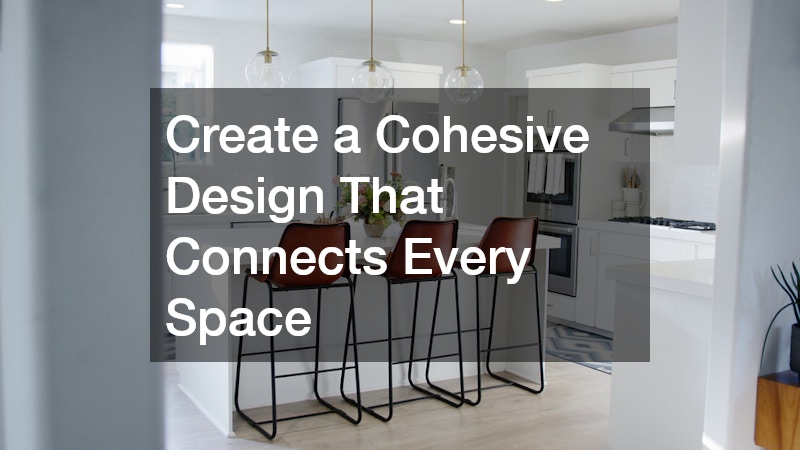
A successful transformation is not just about individual upgrades. It is about how everything works together. Each element should complement the others to create a cohesive and balanced environment. When design, materials, and functionality align, the entire space feels more intentional and refined. Overlooking this connection can make even high-end upgrades feel disjointed. Taking a holistic approach ensures your home looks and performs as a unified whole.
Maintain Consistency
Use similar:
- Materials
- Colors
- Finishes
This creates a unified look throughout your home.
Balance Contrast and Harmony
Too much uniformity can feel flat, while too much contrast can feel chaotic. The right balance creates visual interest without overwhelming the space.
Work With Experts
Interior design contractors can help you:
- Coordinate design elements
- Avoid mismatched styles
- Achieve a polished result
Focus on Details
Small details, like hardware and lighting, make a big difference in the overall feel of your home.
Build a Long-Term Maintenance and Upgrade Strategy
Once your transformation is complete, maintaining it is essential to preserving its value. Regular upkeep helps prevent small issues from turning into costly repairs. Consistent maintenance also ensures that your home continues to function as efficiently as it did on day one. Staying proactive allows you to protect both the aesthetic and structural integrity of your upgrades. Over time, this approach helps extend the lifespan of your investment and keeps everything looking its best.
Create a Maintenance Schedule
Break tasks into manageable intervals:
- Weekly cleaning
- Monthly system checks
- Seasonal inspections
Monitor Key Systems
Keep an eye on:
- Drainage from gutter installation
- Performance of your whole home water filtration system
Budget for Upkeep
Set aside funds for:
- Repairs
- Replacements
- Professional services
Stay Proactive
Addressing issues early prevents them from becoming major problems.
From Project to Lifestyle: The True Value of Transformation
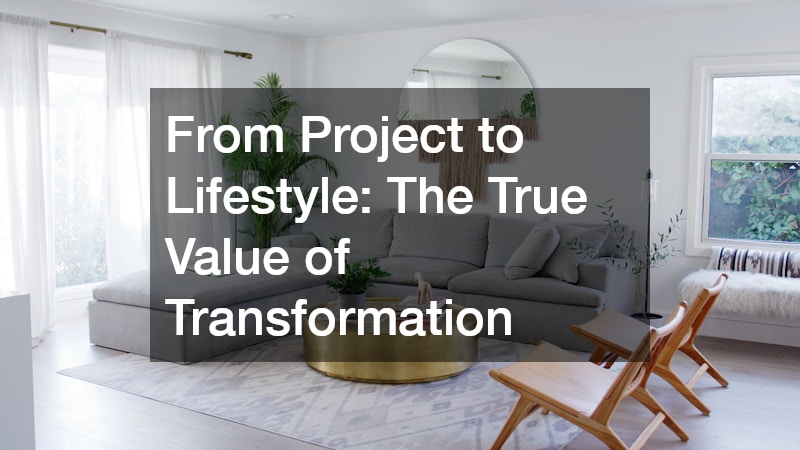
A complete property transformation is not about quick fixes or isolated upgrades. It is about creating a home where every element works together to support your lifestyle, enhance comfort, and add lasting value. This means thinking beyond surface-level changes and focusing on how each improvement contributes to the bigger picture. When every decision is aligned, the end result feels seamless rather than pieced together. It also allows your home to function more efficiently and adapt to your needs over time.
When you take a thoughtful, strategic approach, the result is more than just a renovated space. It becomes a home that feels intentional, functional, and built to evolve with you over time. You gain a deeper sense of comfort and confidence in how your home performs day to day. Each upgrade works in harmony with the next, creating a cohesive and elevated living experience. In the end, the investment pays off not just in value, but in how much you truly enjoy your space.